


Parts of a String Instrument: Names and What Each Part Does
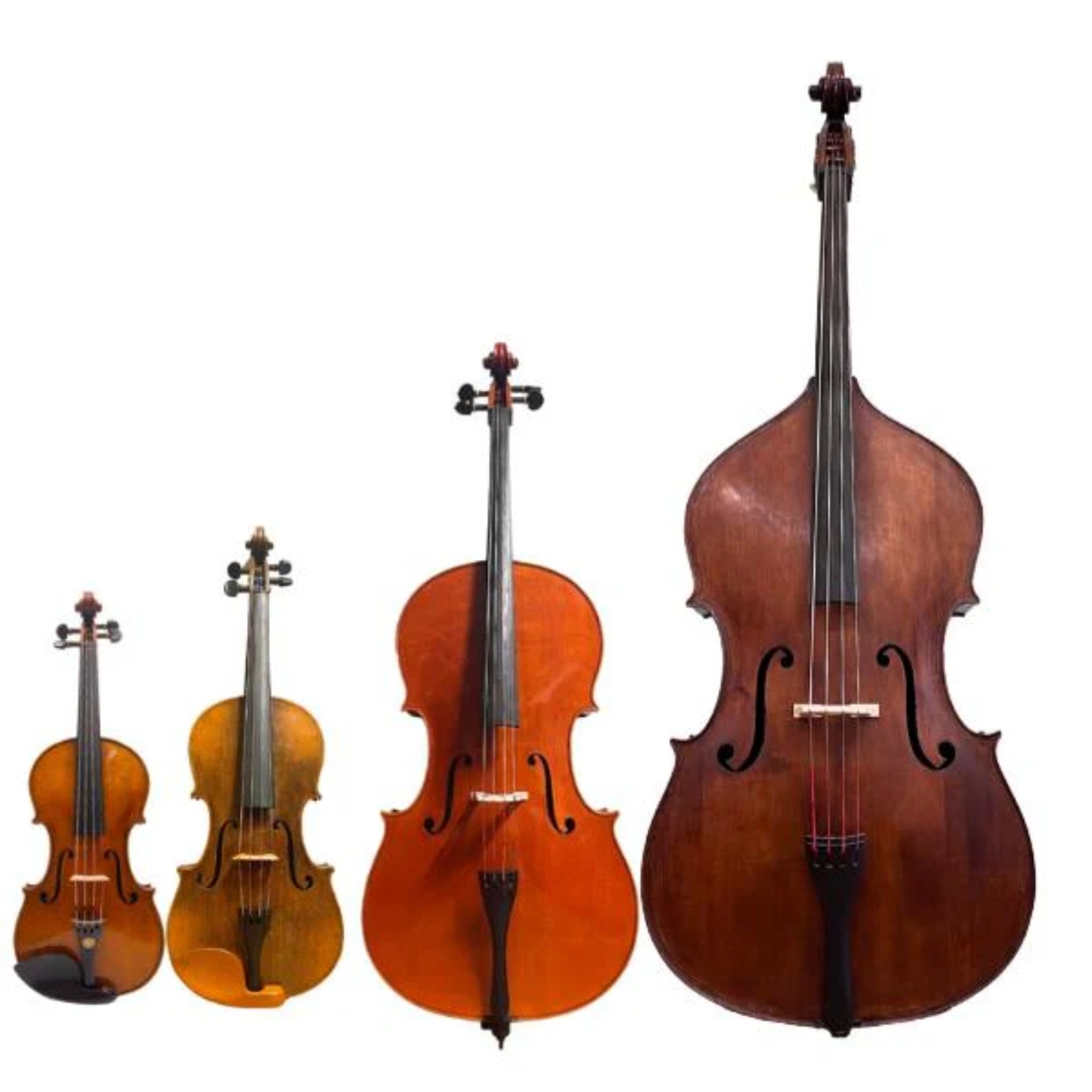
String instruments share many common parts, whether you play the violin, viola, cello, or double bass. If you’re learning a string instrument or helping a student get started, understanding what each part does can make playing, tuning, and maintenance much easier.
Below is a simple guide to the main parts of a string instrument, what they’re called, and what each one does.

Body and Midsection Parts of a String Instrument
Fingerboard
The fingerboard runs from the nut down toward the centre of the instrument. It is usually made from ebony, a very hard wood that resists wear from the strings. Players press the strings against the fingerboard to change pitch.
Strings
String instruments typically have four strings. Violins are tuned G–D–A–E, violas and cellos are tuned C–G–D–A, and double basses are tuned E–A–D–G. Strings may be made from steel, synthetic materials, or gut.
F-Holes
The f-holes are the two openings on the front of the instrument shaped like the letter “f”. They allow sound vibrations to travel from inside the instrument out into the air. Their size and placement significantly affect tone and projection.
Bridge
The bridge is the curved piece of wood that supports the strings and transfers their vibrations to the body of the instrument. It determines string height and spacing and is held in place by string tension alone.
Waist (C-Bouts)
The waist, or C-bouts, are the inward curves on the sides of the instrument’s body. These curves allow room for bowing and help shape the instrument’s sound.
ower Parts of a String Instrument
Fine Tuners
Fine tuners are small screws attached to the tailpiece. They allow for precise tuning adjustments and are often used alongside the tuning pegs.
Tailpiece
The tailpiece holds the lower ends of the strings. It is attached to the instrument by a tail cord and helps manage string tension.
Chin Rest
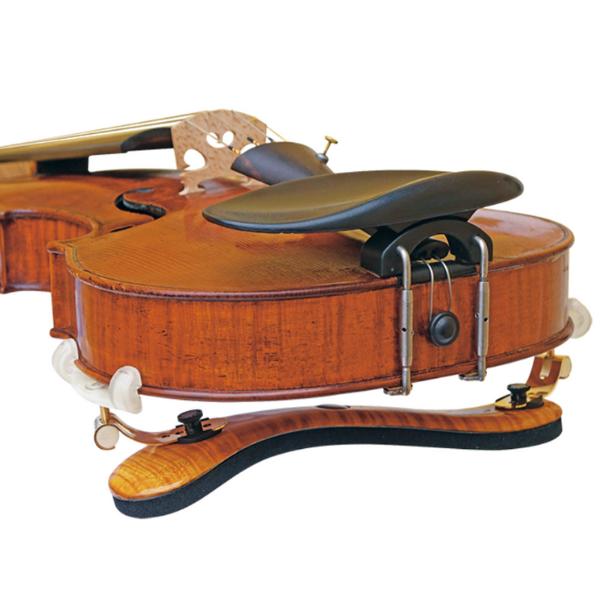
Found on violins and violas, the chin rest supports the player’s jaw or chin. It helps hold the instrument securely so the left hand can move freely.
Endpin
The endpin anchors the tailpiece and helps hold the instrument together under string tension. It is located at the very bottom of the instrument.
Endpin Rod or Spike
On cellos and double basses, the endpin rod extends from the bottom of the instrument and rests on the floor. Its height is adjustable to suit the player.
Internal Parts of a String Instrument
Sound Post
The sound post is a small wooden dowel positioned inside the instrument between the front and back plates. It transfers vibrations and supports the structure. If the sound post falls, the instrument’s tone becomes thin and unstable.
Bass Bar
The bass bar is a long strip of wood glued inside the instrument under the top plate. It runs alongside the lowest string and helps support tension while enhancing low-frequency sound.
Looking for String Instruments or Parts in Perth?
If you’re learning a string instrument, seeing real instruments and getting hands-on advice can make a big difference. At WA Music Co, we stock and service a wide range of string instruments for students and players of all levels:
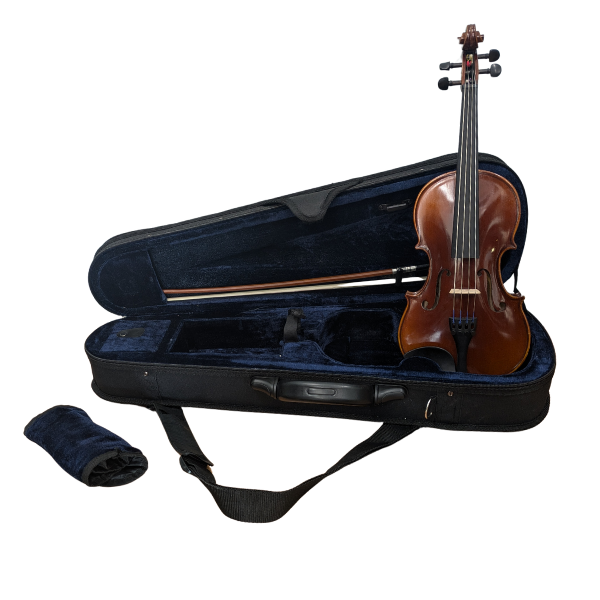
👉 Browse our range of student Violins or Violas
👉 Explore student Cellos and Double Basses
👉 Visit us in-store in Perth for advice, hire, and servicing
If you have any questions about your instrument or its parts, feel free to contact us or visit our store.